If you’re considering a profession as an ultrasound technician (also referred to as a sonographer or diagnostic scientific sonographer), one of the first questions you possibly ask is: “How long does it take to come to be an ultrasound tech?” This timeline relies upon many variables: your earlier schooling, required conditions, the program you pick out, scientific training, and certification requirements.
In this complete article, we will explore all of the pathways, damage down approximate intervals, compare alternatives, highlight key decisions, give important data in a table, and assist you in apprehending what will have an impact on your own timeline. Our purpose is to present an extra thorough, up to date manual than what you’ll see in preferred ranking articles.
Table of Contents
What Does an Ultrasound Tech Do? (Context for Time Required)
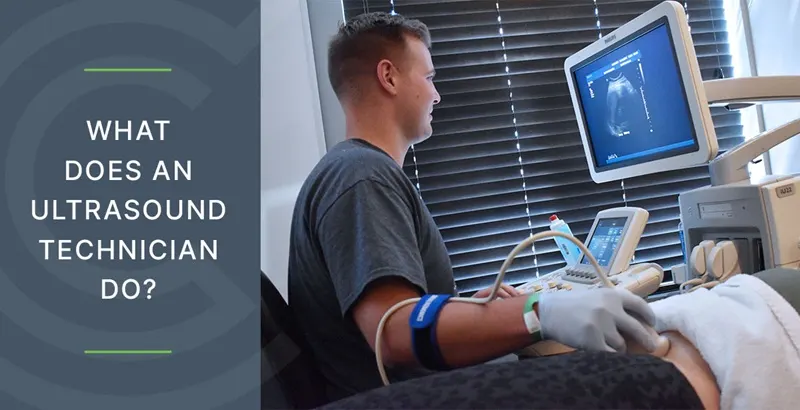
Before diving into how lengthy it takes, it facilitates to realize what an ultrasound technician does:
- Uses ultrasound system to image inner organs, blood go with the flow, tissues, and fetuses.
- Works in specialties: belly, obstetric/gynecologic, cardiac / echocardiography, vascular, breast, neuro ultrasound, and so on.
- Interacts with patients, translates photos (in liaison with physicians), ensures protection, handles gadget maintenance, and documents outcomes.
Because the position needs technical skill and scientific expertise, the education/schooling involved covers anatomy, physics, scientific exercise, pathology, patient care, and hands on imaging. That helps explain why the timeline isn’t trivial.
Typical Educational Pathways & Their Timelines
There are numerous routes to emerge as an ultrasound technician. The choice you are making will in large part decide how long your pathway takes. Below is a breakdown of not unusual options:
| Pathway / Program | Description | Typical Duration | When It’s Suitable |
| Certificate / Diploma | For those with prior healthcare education or prerequisites; focused coursework + clinical training | 12 to 18 months (some 14–22 months) | If you already have allied health background (e.g., radiography, nursing) and want to transition |
| Associate Degree (A.S. in Diagnostic Medical Sonography) | Most common standard route | 18 to 24 months (typical two years) | For students beginning from high school or minimal prior training |
| Bachelor’s Degree (B.S. in Sonography or allied health + sonography concentration) | Longer, broader program including general education and specialization | 3 to 4 years (or more) | If you want deeper academic preparation, research or leadership roles |
| Bridge / Accelerated / Advanced Certificate | For allied health professionals (e.g., radiologic technologists, MRI, nursing) to specialize in ultrasound | 9 to 18 months (depending on prerequisites) | When you already completed core coursework or have clinical experience |
Key observations:
- The quickest path usually is a certificate/degree for the ones already in a health subject, that can take about a year.
- For college students starting fresh (no allied health heritage), companion degree path (~2 years) is the most practical, balanced choice.
- A bachelor’s diploma provides extra time however gives greater intensity, studies opportunities, or management roles.
- Bridge or accelerated applications assist reduce time if stipulations are already glad.
Thus, the commonplace answer “it takes 2 to 4 years” is a beneficial fashionable estimate, however real timelines can be shorter or longer depending on your course.
Other Time Components That Add to the Timeline
Your adventure isn’t prevented after completing lessons or clinical rotations. Below are additional steps that affect total time:
- Prerequisite Courses
- Many packages require previous courses (biology, chemistry, physics, anatomy & physiology, math). If you don’t already have them, finishing conditions might also upload 6 months to a year.
- Application & Enrollment Waitlists
- Many ultrasound programs are competitive, limited in seats. You would possibly ought to wait or reapply, sometimes delaying entry by using a semester or extra.
- Clinical / Externship Hours
- Hands on scientific education is obligatory. Programs often require several hundred scientific hours below supervision. This is built into certificates or diploma packages, however delays, scheduling, or low availability can stretch this portion.
- Certification & Examination
- After completing the instructional aspect, many graduates take certification assessments (e.G., ARDMS’ SPI exam and distinctiveness exams). The timing of examination registration and preparation can devour weeks or months.
- Licensing / Credentialing (if required)
- In positive states or nations, you could want to use for a kingdom license (similarly to certification). Processing times, historical past assessments, submission of documentation, and so on., may also upload further put off.
- Delays because of screw ups / retakes
- If you fail an exam or need to retake a path or clinical rotation, that pushes your timeline similarly.
- Part time have a look at or balancing paintings
- Many college students might also take instruction element time or paintings along with training, which extends the overall period.
Thus, your overall time from beginning (fresh high college) to completely training ultrasound tech would possibly realistically span 2 to 4+ years, every now and then 4–5 years depending on situations and setbacks.
Detailed Timeline Scenarios
Here are pattern eventualities to demonstrate how long the process may take underneath exclusive beginning positions:
| Starting Point | Scenario | Timeline Estimate |
| Fresh high school graduate, no prior health background | Take prerequisites (6–12 months) → enroll in associate degree program (24 months) → certification → licensing | ~ 3 to 4 years |
| Already have a degree in allied health (e.g., radiography) | Enroll in accelerated certificate/bridge program (12–18 months) → certification → minimal licensing delays | ~ 1 to 1.5 years |
| Choose bachelor’s path directly after high school | Full undergraduate + sonography specialization (4 years) → certification → licensing | ~ 4 to 5 years |
| Working professional switching careers (part-time route) | Take prerequisite courses part-time (12–18 months) → part-time sonography program (30+ months) → certification | ~ 3 to 5 years |
One instance from boards:
“Spent prerequisites for 2 years. It took me 5 years total to get in, then year application.”
Another:
“It took me 2 years to feel assured of scanning independently after graduating.”
These anecdotal reviews spotlight that now not all the timeline is within your control.
Factors That Influence Duration
Several variables can make your adventure shorter or longer:
- Your instructional readiness & earlier coursework: If you have already got biology, physics, math, and many others., you skip prerequisites.
- Program competitiveness & availability: Limited seats and ready lists can put off admission.
- Full time vs component time look at: Full time speeds things up; element time extends nearly 1.5–2× the time.
- Clinical education availability: Hospitals or clinics may have constrained slots, delaying rotation scheduling.
- State licensing / credential processing: Bureaucratic delays, submission necessities, historical past tests.
- Exam fulfillment rate: Failing certification exams may additionally force wait instances and retakes.
- Specialization preference: Some specializations require additional education or assessments, likely lengthening overall time.
If your instances are favorable (robust instructional history, no waitlists, complete time, have a look at, clean scientific entry to, examination success), you may complete it in ~2 years. If situations are extra tough, it can stretch in the direction of four or more years.
Step‑through‑Step Phases & Approximate Durations
Below is a breakdown of the everyday stages and the way lengthy each would possibly take, contributing to the overall timeline:
| Phase | Description | Duration Range |
| Prerequisite coursework (if needed) | Biology, chemistry, physics, math, anatomy | 6 to 12 months |
| Program application & admission | Entrance tests, interviews, waiting list | 1 to 6 months |
| Core didactic coursework | Classroom learning in physics, anatomy, ultrasound principles | 6 to 18 months (depending on full/part time) |
| Clinical rotations / hands‑on training | Supervised scanning and patient care | 6 to 12 months (often integrated into program) |
| Certification preparation & exam | Study period + exam scheduling | 1 to 3 months |
| State licensing & credentialing | License application processing | 1 to 3 months (varies greatly across jurisdictions) |
When summed (for someone starting with little earlier credit), these levels can fall within the 24 to forty eight months variety, with flexibility depending on your path and nearby prerequisites.
Common Questions & Misconceptions
“Can I do it faster than 2 years?”
Yes, if you already have fitness care credentials or conditions, and sign up in an accelerated certificate program, it may take 12 to 18 months.
“Do I want a bachelor’s degree to become an ultrasound tech?”
Not generally: maximum entry level positions are given partner diploma + certification, though a bachelor’s can open more opportunities or development.
“Does it take longer in certain countries as compared to the U.S.?”
Yes. Educational structures, regulatory necessities, and science get admission to range. In a few international locations, you could comply with diploma paths or require extra licensing or tiers, altering timeframes.
“When do I take the certification exam?”
After finishing your software and scientific hours, you put together for and take checks (like ARDMS’ SPI + uniqueness checks). That may additionally take a few more weeks or months beyond software finishing touch.
“Can delays like waitlists or failed assessments add years?”
Yes. Especially for aggressive applications, some college students wait semesters to start. Failing guides or tests (or needing to redo clinical rotations) can push your crowning glory out by means of months or a complete yr.
Global / Regional Variations (Non‑U.S. Contexts)
While lots of the data above is U.S.-centric, comparable ideas practice globally:
- In many countries, diploma or certificate packages can be preferred, occasionally taking 1–2 years.
- Regulatory boards or health ministries may additionally set licensure or registration timelines, which may additionally upload bureaucratic delays.
- Clinical training opportunities, equipment availability, and application ability may be more constrained, that may stretch out the timeline.
- If you intend to work internationally, you could additionally want to meet popularity or equivalence standards to your goal in the United States, which might also suggest extra exams or bridging publications.
Thus, if you’re out of doors in the U.S., you should take a look at the nearby accreditation our bodies, licensing necessities, and clinical schooling infrastructure for your vicinity or u . S ..
Tips to Minimize Time & Stay on Course
- Research and practice early, beforehand of stipulations.
- Choose packages with rolling admissions or a couple of start dates to reduce wait.
- Take prerequisite publications in advance or earlier, even earlier than formal software.
- Be full time in preference to part time, if viable.
- Maintain high academic overall performance to avoid repeating publications.
- Network with local clinics and hospitals early to stable clinical rotation spots.
- Prep for certification checks in parallel together with your studies (don’t leave them to the end).
- Monitor nation or regional licensing necessities early, collect documentation in advance.
These strategies can help you shave months off your general time.
Summary
Becoming an ultrasound technician typically requires 1 to 4 years, relying on whether you pick out a certificate, associate, or bachelor’s pathway, plus certification and scientific schooling. This article examines timelines, factors affecting period, steps, challenges, and expectations to give you a clearer roadmap.
Final Thought
So, how long does it take to turn out to be an ultrasound tech? In maximum real world cases, assume 2 to 4 years from starting conditions via training, training, certification, and licensing. In best situations, people transitioning from allied health backgrounds might complete it in 1 to 1.5 years. But delays, waitlists, examination retakes, or part time pacing can increase it in addition.
If you carefully plan your route, select appropriate programs, and stay on schedule, you can maximize performance. But constantly build in buffer time for contingencies.
7 FAQs About How Long Does It Take to Become an Ultrasound Tech?
Do I need a bachelor’s diploma to get employed?
Not normally. Many employers take delivery of accomplice tiers plus certification. A bachelor’s diploma can be beneficial for studies, management, or academia roles.
How many clinical hours are required?
That varies by program, however many require several hundred hours of supervised scientific scanning as a part of the curriculum.
When can I take a seat for certification checks?
After completing your instructional application and required medical hours. The examination prep and scheduling can add weeks or months.
Does every nation / country require a license?
No. In the U.S., only a few states mandate licensure for ultrasound techs (e.G. New Hampshire, New Mexico, North Dakota, Oregon). But many employers nevertheless choose licensed professionals.
What happens if I fail a certification examination?
You'll commonly want to attend a mandated period (e.G., 60 days) earlier than retaking. That put off contributes to an extended timeline.
Is gaining knowledge over once I start running?
Not in any respect. Many sonographers say it takes years of practice to experience absolute confidence. One person stated: