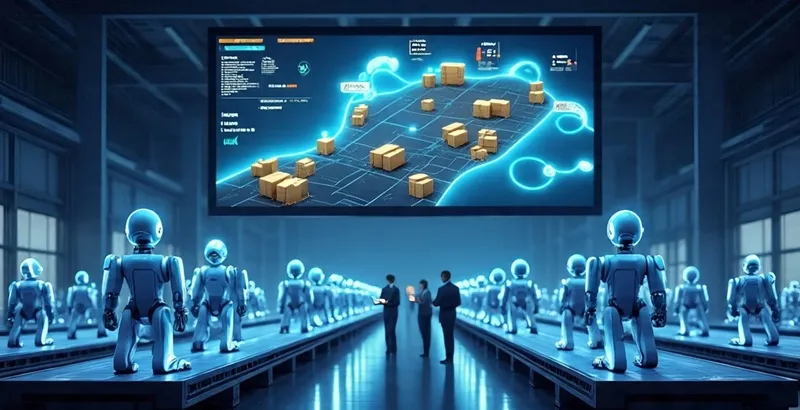
Transportation paperwork the spine of goods distribution. Traditional logistics frequently depend on static routes and manual scheduling, resulting in inefficiencies, better gasoline consumption, longer shipping instances, and elevated carbon emissions. But one transformative manner era improves the distribution of products is thru AI pushed path optimization, paired with GPS.
By reading factors like real time site visitors, weather, gas utilization, transport windows, and vehicle potential, advanced routing structures generate optimized routes that lessen idle time, decrease operational prices, and growth shipping reliability and speed.
Table of Contents
Table: Key Benefits of AI Driven Route Planning in Goods Distribution
| Aspect | Traditional Methods | AI-Powered Route Planning |
| Fuel Cost | Higher due to inefficient routing | Reduced via optimized paths using AI and GPS |
| Delivery Speed | Slow, unpredictable | Faster, more consistent through dynamic route adjustments |
| Carbon Footprint | Elevated from longer routes | Lowered, thanks to minimized travel distance and emissions |
| Inventory Turnover | Inconsistent deliveries stockouts/delays | Improved due to reliability and speed of deliveries |
| Operational Efficiency | Manual planning, high overhead | Streamlined, automated with real-time updates |
| Scalability | Limited ability to scale quickly | Highly scalable, especially as volume or complexity grows |
Limited capability to scale quick
Highly scalable, specifically as volume or complexity grows
How AI and GPS Combine to Optimize Routes
AI Powered Software + GPS
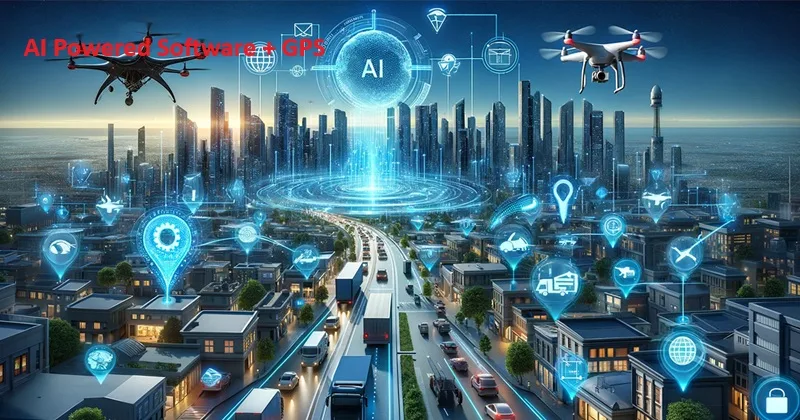
AI algorithms ingest big datasets: traffic styles, road conditions, automobile performance, and historical transport facts to calculate the maximum efficient routes. GPS gives actual time region records, allowing dynamic rerouting when conditions change, making sure delivery drivers avoid delays and roadblocks.
Benefits at a Glance
- Reduced gas prices thru optimized routing
- Faster deliveries through warding off congestion
- Lower carbon footprint, assisting sustainability
- Better stock turnover, minimizing stockouts
- Live monitoring and adaptability, improving reliability
- Scalable logistics, handling growing demand seamlessly
Real World Examples Amplifying Impact
Smart Warehousing and Robotics
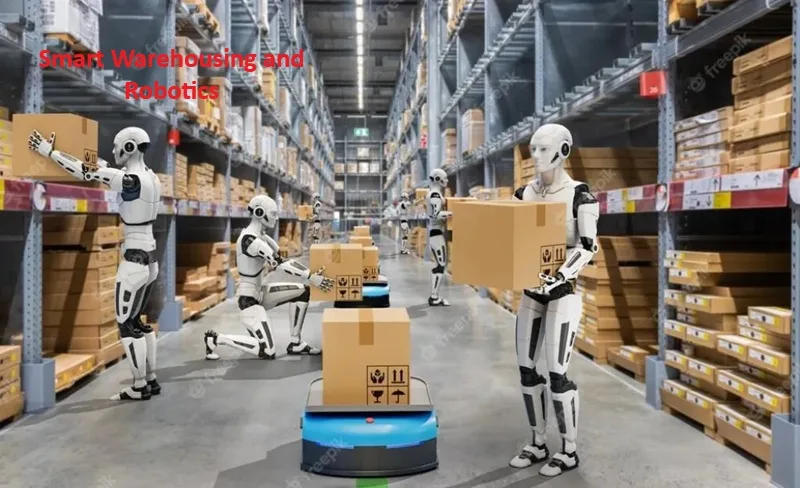
Beyond direction making plans, many corporations pair optimized shipping with smarter warehousing. Retail giants like Harrods, LVMH, and Hugo Boss are making an investment in smart warehouses that use RFID, AI robots, and AR to manipulate stock and accelerate distribution techniques Vogue Business.
Automated, AI Powered Distribution Centers
Walmart has evolved AI automatic refrigerated warehouses that double throughput with half the group of workers, enhancing perishable items management and scalability Business Insider.
Similarly, Coles in Australia is deploying robot powered warehouses below “Project Witron” to streamline loading, picking, and delivery riding efficiency profits and probably lowering patron expenses The Australian.
Drone Delivery & Eco Efficiency
Looking past vehicles, shipping drones are being trialed by way of Amazon, Google, Walmart, and others. They offer dramatically decreased carbon emissions as much as 54 % less according to package deals compared to vans in sure regions.
Omnichannel Fulfillment
An approach like omnichannel fulfillment lets businesses fulfill orders throughout e-trade, retail, and wholesale from a unified stock. This reduces redundancies, simplifies logistics, and enhances flexibility.
Why AI Route Optimization Stands Out as “One Way”
While many technologies are reworking item distribution, AI pushed path optimization gives you on the spot, measurable benefits. It without delay addresses the “ultimate mile hassle” with the aid of reducing shipping time, reducing fuel use, lowering emissions, and growing consumer pride. And it integrates without difficulty with present fleets making it powerful for groups of all sizes.
Implementation Roadmap How Companies Can Adopt It
- Data Collection: Gather historical transport records, actual time site visitors info, automobile overall performance metrics.
- Choose a Platform: Opt for AI based totally routing software preferably cloud or SaaS gear.
- Integrate GPS & Communications: Ensure cars are GPS enabled and drivers have dynamic update systems.
- Pilot Runs: Test with small transport zones, refine statistics inputs and set of rules tuning.
- Scale Up: Roll out across the fleet, continuously screen effects and optimize.
- Combine with Other Tech: Pair with clever warehousing, RFID monitoring, WMS, WES for full spectrum performance.
Conclusion
In the realm of distribution, tech innovations abound from clever warehouses and drones to blockchain and robotics. Yet, AI powered direction optimization remains one of the maximum impactful and reachable ways to improve the distribution of goods:
- Cuts fees thru gas financial savings
- Accelerates deliveries with dynamic rerouting
- Reduces carbon emissions for green logistics
- Boosts reliability, patron pleasure, and scalability
As logistics evolve, pairing course optimization with different innovations ensures companies stay agile, green, and sustainable. It truly solves the question: What is one manner that generation can enhance the distribution of products?
Technology complements the distribution of products with the aid of allowing optimized course planning via AI and GPS, which lowers expenses, hurries up shipping, minimizes environmental impact, and improves delivery chain performance and reliability. This strategic innovation empowers corporations to evolve quickly, reduce waste, and meet client needs seamlessly.
Summary
7 Frequently Asked Questions (FAQs) About What Is One Way That Technology Can Improve the Distribution of Goods?
Does it certainly accelerate deliveries?
- Yes dynamic path updates assist drivers avoid delays, resulting in faster, greater predictable transport instances.
Is it higher for the environment?
- Absolutely shorter routes reduce journey distance and emissions; drone trials display up to fifty 4% lower carbon emissions according to package deal.
What if visitors or climate all at once changes?
- AI algorithms constantly analyze real time information (site visitors, weather) to reroute drivers on the fly, maintaining efficiency even under dynamic conditions.
How does this evaluate to traditional transport planning?
- Traditional techniques are static and manual. AI pushed routing is dynamic, automatic, and optimized, mainly to consistently better overall performance on charges, velocity, and reliability.
Can small corporations use this too?
- Yes, many SaaS routing solutions and GPS enabled apps make this generation possible and less costly for smaller fleets.
What else must be paired with path optimization?
- Combining tech like clever warehousing, RFID monitoring, WMS/WES, and automatic selecting structures maximizes distribution efficiency across the whole delivery chain.