Choosing How to Measure for a Suit begins long before you place it on the jacket and it starts with accurate body measurements. Whether you are shopping for a healthy online or getting one custom made, expertise on how to measure for a match guarantees you reap the suitable suit, comfort, and style.
This comprehensive guide covers step by using step dimension strategies, tables for smooth reference, and pro hints utilized by professional tailors. If you need a health that looks sharp, structured, and subtle, learning those measurements is your first step.
Table of Contents
Why Accurate Suit Measurements Matter
Poorly fitted suits can break even the most elegant cloth wardrobe. Baggy shoulders, lengthy sleeves, or tight chest measurements can instantly downgrade your look. Learning a way to measure for a match enables you:
- Achieve a tailor like precision
- Get a best in shape for off the rack suits
- Order custom fits on line confidently
- Look more polished and professional
- Save time and alterations cost
Your Complete Measurement Guide: How to Measure for a Suit
Below is the overall listing of measurements needed for a well equipped in shape.
Essential Tools You Need
Before studying the way to degree for a match, gather those:
- Soft measuring tape
- Mirror
- Notebook or smartphone
- A buddy or tailor’s help (encouraged for accuracy)
- Well becoming blouse and trousers
Full Measurement Breakdown
Each vicinity plays a vital function in reaching the precise match. Follow the stairs cautiously.
1. Neck Measurement
- Wrap the tape across the base of your neck.
- Leave one finger space for comfort.
- Keep the tape degree and snug.
A right healthy collar has to lie flat and experience cushty.
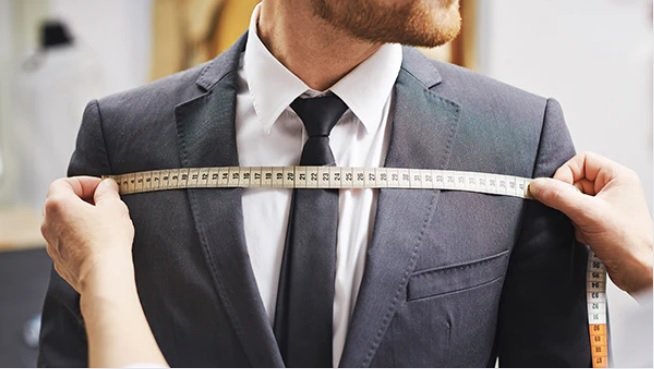
2. Shoulder Width
This is one of the most essential steps in understanding a way to determine a fit.
- Measure from the end of one shoulder bone to the other.
- Follow the natural curve of your lower back.
- Keep the tape immediately, now not slanted.
Shoulders need to align perfectly with the jacket’s seams.
3. Chest Measurement
- Wrap the measuring tape across the widest part of your chest.
- Keep it parallel to the ground.
- Breathe typically; don’t puff your chest.
The in shape chest must be cushty but never restrictive.
4. Waist Measurement
Often careworn with pant length, your herbal waist is better.
- Measure round your navel region, no longer your hips.
- Keep the tape comfortable however now not tight.
Accurate waist dimension allows you to save your bulging or unfastened fitting jackets.
5. Hip Measurement
- Measure the widest part of your hips.
- Keep the tape horizontal.
- Stand relaxed, now not stressful.
This determines the health of your trousers and jacket silhouette.
6. Sleeve Length
- Start at the shoulder seam factor.
- Run the tape right down to your wrist bone.
- Your arms must be relaxed at your side.
The ideal sleeve suggests 1/4 inch of shirt cuff.
7. Jacket Length
- Measure from the base of your neck all the way down to the favored jacket period.
- Typically hits mid to lower crotch level.
Shorter for ultra modern looks; longer for classic patterns.
8. Inseam Measurement
- Measure from the crotch seam in your ankle bone.
- Wear the right formal footwear for accuracy.
This defines the trouser smash full, half, or no ruin.
9. Outseam Measurement
- Measure from your natural waist to the backside of your shoe.
This enables when designing trousers with a higher or decreased rise.
10. Thigh Measurement
- Wrap the tape across the thickest part of the thigh.
- Keep the tape horizontal.
Essential for slim fit or tailor made trousers.
11. Wrist Measurement
- Measure across the wrist bone.
- Helps determine blouse cuff length and jacket opening.
Measurement Accuracy Checklist
Before finalizing:
- Tape remains parallel at all times
- Stand straight but relaxed
- Take measurements twice
- Use inches for popular tailoring
- Wear a narrow blouse for correct consequences
Suit Measurement Table
Below is an entire table summarizing a way to degree for a in shape with wellknown male sizing suggestions.
Suit Measurement Reference Table
| Measurement Area | How to Measure | Notes |
| Neck | Around base of neck | Allow 1 finger space |
| Shoulder Width | Shoulder tip to tip | Follow natural back curve |
| Chest | Around fullest chest part | Keep tape horizontal |
| Waist | Around natural waistline | Not the hips |
| Hips | Around largest hip area | Stand naturally |
| Sleeve Length | Shoulder seam to wrist | Arm relaxed |
| Jacket Length | Base of neck to desired length | Mid-crotch is standard |
| Inseam | Crotch seam to ankle | Wear dress shoes |
| Outseam | Waist to bottom of foot | Helps customize trouser rise |
| Thigh | Around upper thigh | Needed for slim fits |
| Wrist | Around wrist bone | Helps with cuff size |
Pro Tailoring Tips to Remember
- Always degree twice accuracy determines fit quality.
- When doubtful, size large and tailor down.
- Choose fit material primarily based on season and event.
- Understand in shape construct options: narrow suit, cutting edge healthy, classic match.
- Jacket shoulders ought to usually fit your natural shoulders.
- If you like vintage appearances, bear in mind incorporating men’s 80s fashion factors like huge lapels or formidable cuts.
How to Choose the Right Suit Based on Your Measurements
Once you analyze a way to measure for a healthy, you could suit your measurements to the proper healthy type:
Slim Fit
- Best for lean frame sorts
- Narrow shoulders and tapered legs
Modern Fit
- Balanced silhouette
- Body skimming without being tight
Classic Fit
- More room in chest, waist, and legs
- Ideal for conventional or formal settings
Summary
Learning How to Measure for a Suit ensures an ideal, tailor made health each time. With the right gear and correct measurements from chest and shoulders to inseam and waist you can optimistically buy or customize suits online even as achieving a pointy, expert, and polished appearance.
Final Thought
Mastering a How to Measure for a Suit empowers you to appear excellent in any formal setting. Whether you’re making ready for a wedding, commercial enterprise assembly, or unique occasion, well geared up fits elevate self assurance and style. Use those professional guidelines to acquire ideal consequences each time.
FAQs About How to Measure for a Suit
How tight must fit measurements be?
They should be cushty however never restrictive.
What’s the maximum vitality in shape measurement?
Shoulder width, as it can't be easily altered.
Should I measure over garments?
Use a light, outfitted blouse for first class effects.
How do I recognize my jacket length?
Your chest dimension generally determines jacket sizing (e.G., 40″ chest = size 40).
How regularly must I measure?
Every 6–12 months, or earlier than buying a new suit.
Does body posture have an effect on measurements?
Yes. Stand obviously and keep away from slouching or lifting your chest.